
Most teams don't decide to pick the wrong location vendor.
They decide to wait.
The roadmap is packed. Budgets are tight. The contract number for a modern location platform looks big on a slide. Doing nothing feels like the safe move.
That instinct is very common, and it's often more expensive than it looks.
This post unpacks the real cost of doing nothing with location, and what it looks like to move forward in a low risk way.
Why doing nothing feels safe
On paper, "no decision" looks rational.
- There's no new line item in your budget.
- There's no integration risk for your team.
- There's no procurement or security review to push through.
But "no decision" isn't neutral. It's a decision to keep things exactly as they are:
- Leaky checkout funnels that lose customers because of clunky address entry.
- Underused mobile apps that don't feel smart or helpful in the real world.
- Engineering teams maintaining fragile, homegrown location code (or none at all).
Those costs don't show up in a single invoice. They show up in slower growth, higher operating cost, and roadmap items that keep slipping.
In fact, millions of dollars are lost every year (our new commercial highlights why location is everything).
The 3 biggest costs of doing nothing
Whether you're missing out on incremental revenue or opting to spend more internal time maintaining homegrown solutions, there's a cost of doing nothing.
Cost #1: You leave new revenue on the table
Location usually pays for itself in small, compounding wins.
Think about:
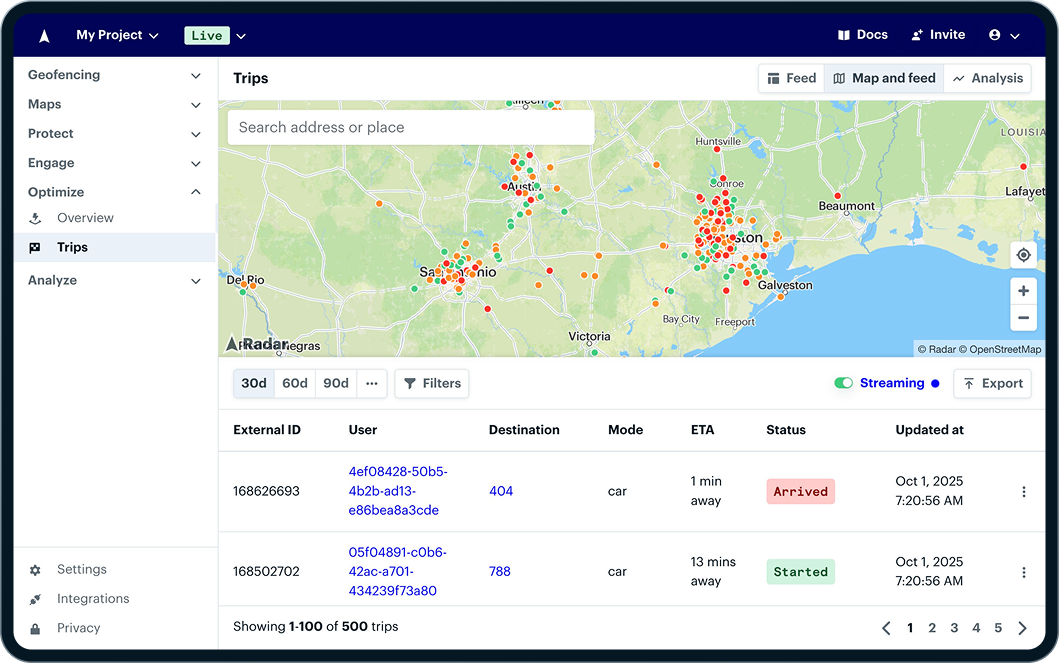
Pickup and curbside orders that run smoother when your app detects arrival automatically instead of asking customers to tap a button or call the store.
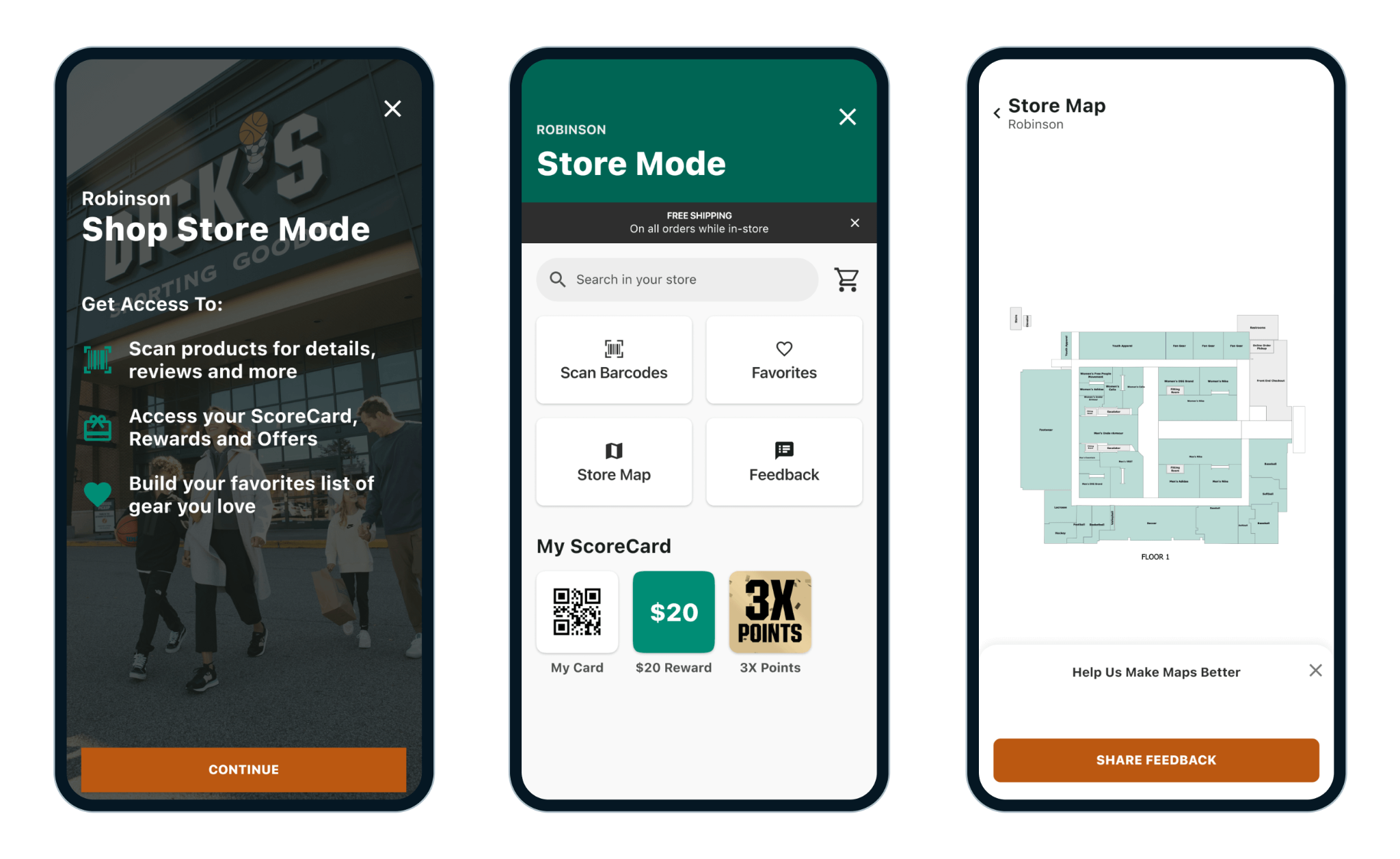
In-store experiences that switch into "store mode" and surface inventory, offers, and services based on where someone is.
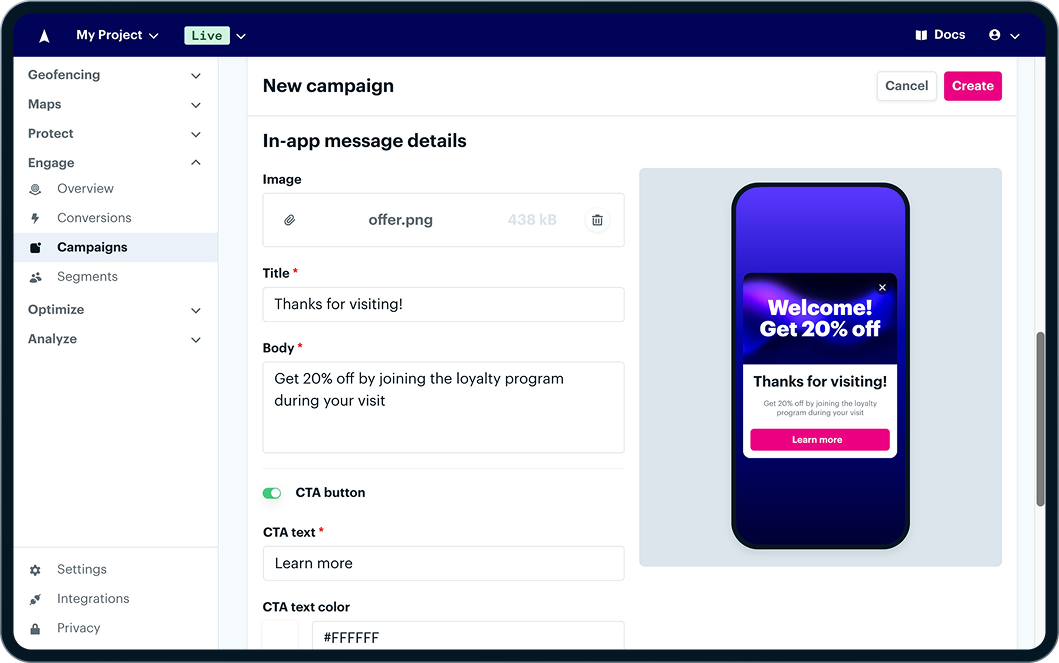
Contextual, location-based messages that reach customers at the right place and time, instead of generic blasts.
You don't need a massive behavior change to see impact.
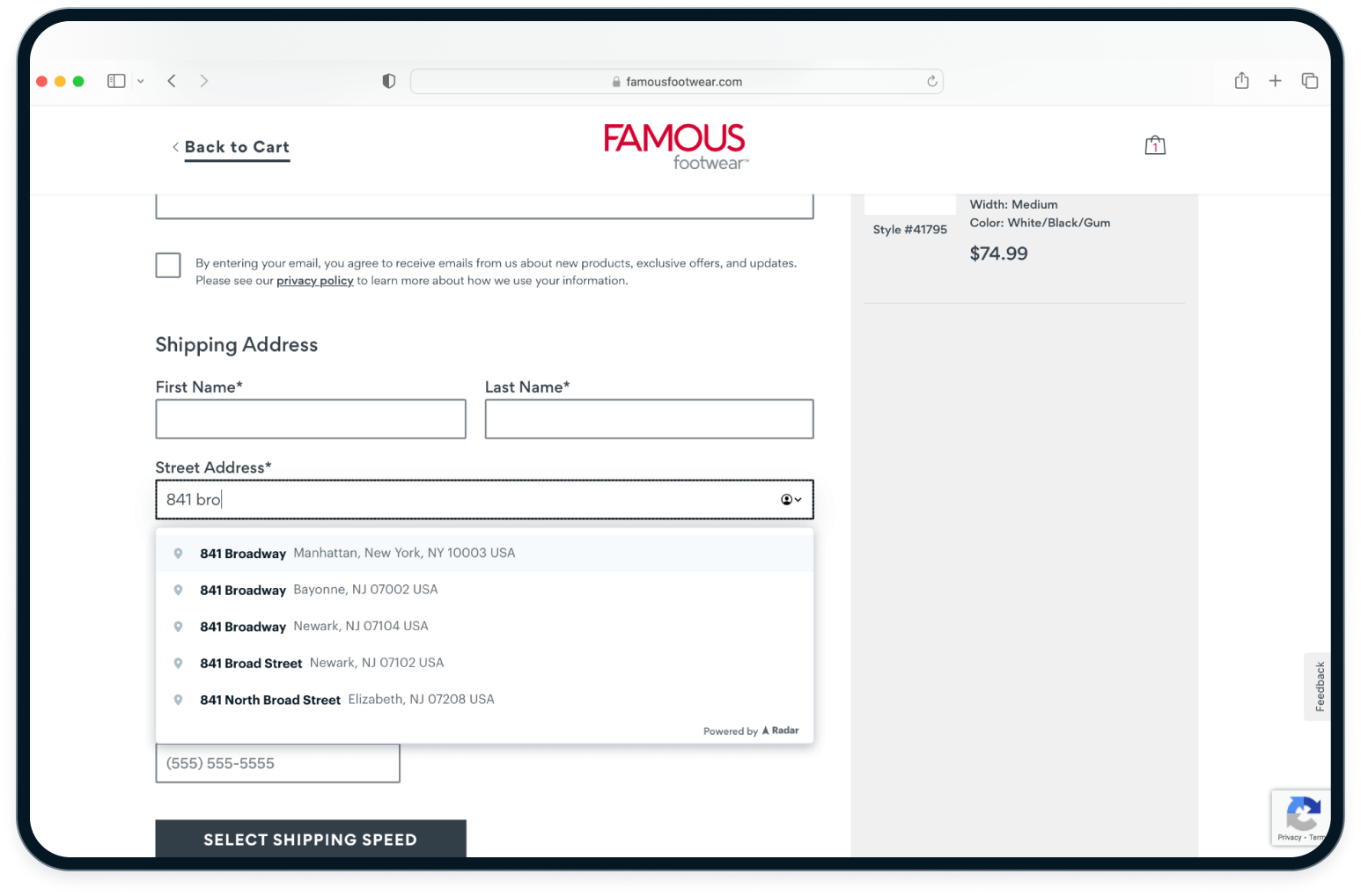
A small lift in conversion at checkout from better address autocomplete and validation or store locator experiences, an uptick in repeat orders from smoother pickup, or an increase in app opens from smarter location-based marketing adds up quickly at scale.
When you delay, you're not just avoiding a platform fee. You're accepting another quarter, or another year, with lower engagement and lower revenue than you could realistically achieve.
Cost 2: Your engineering team carries invisible debt
A common move is, "We'll just build something in-house for now."
In practice, that often means:
- Engineers stitching together device signals, maps APIs, and one off geofencing logic.
- Debugging mysterious missed entries or exits in production.
- Supporting similar location features across multiple apps or brands.
Location is hard to get right. Accurate geofencing and maps need battle tested SDKs, proprietary algorithms, and constant tuning to stay accurate and efficient on battery across a huge range of devices.
When your team owns that stack, you're not just paying for the initial build. You're paying every time a platform changes behavior, a new device launches, or a new use case shows up on the roadmap.
Partnering with a location platform like Radar means:
- Integrating with developer friendly SDKs and APIs that your team can ship in a sprint, not a quarter.
- Using remote configuration and dashboards instead of shipping app updates for every small tweak.
- Leaning on location experts for best practices and debugging when things get tricky.
Doing nothing usually means your team keeps carrying this invisible tax. Those are hours that could go to new customer facing features, not low level infrastructure.
For example, take Route. Using Radar's maps APIs they estimate that they save thousands of engineering hours, and over $1M a year. If they were to build a solution in-house, it would take at least 5 full-time engineers.
“Radar's APIs are simple to use and easy to integrate, which saved us time and allowed us to dedicate resources to other projects.”
— Nick Lloyd, Senior Director of Software Engineering at Route
Cost #3: You overpay for legacy tools anyway
There's also the cost of standing still with maps and geolocation providers you already know aren't a long term fit.
Teams often tell us they're:
- Surprised by unpredictable bills from higher priced legacy maps providers.
- Managing separate vendors for maps, geofencing, and geo-compliance.
- Paying per location check or per API call in ways that discourage them from collecting the data they actually need.
Radar was built to simplify that picture.
We provide a single geolocation platform across geofencing, maps, and geo-compliance, with pricing that can be meaningfully lower than legacy maps or geo-compliance providers, without sacrificing performance.
Doing nothing keeps you on the expensive path you already know you want to exit. Moving to a modern platform is a rare chance to improve the experience and reduce cost at the same time.
What "doing something" actually looks like
If "signing a contract" is the only mental model for change, doing nothing will always win. The perceived risk feels too high.
We see successful teams take a different approach:
1. Start with a single, clear use case
Pick the one place where location can obviously move a metric you care about. For example: pickup arrival detection, in-store app experiences, or a smarter store locator.

2. Prove value with a small rollout
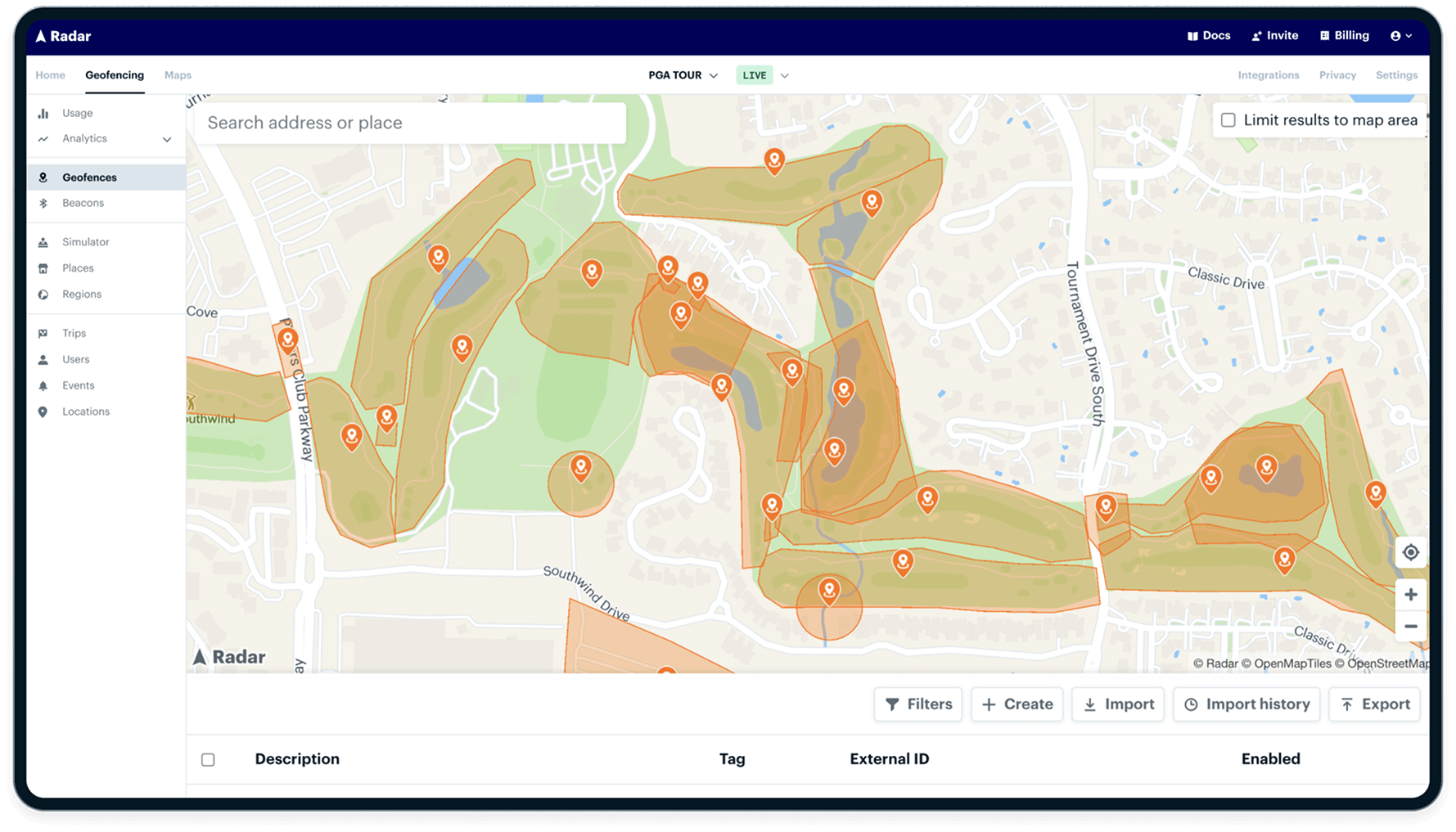
Start by signing up for Radar and connecting a test app or sandbox environment. Have your team explore the dashboard, create a few test geofences, and trigger sample events so you can see how things behave in practice. Skim the docs for the use cases you care about most, then pick one simple, low risk experiment to run with a small audience so you can measure impact before rolling it out more broadly.
3. Consolidate vendors and reinvest savings
Once you have proof, look at consolidating maps, geocoding, and geofencing on one platform. Many teams free up budget that can fund the next wave of customer experience improvements.
Doing nothing isn't free
Doing nothing with location isn't free. It's a quiet, ongoing cost in missed revenue, extra engineering work, and overspend on legacy tools.
You don't need a huge, multi year program to change that. You just need to pick one place to start.
Watch the commercial, share this with your team, and if you want to explore what "doing something" could look like for your app, reply to your Radar contact or reach out for a working session.