The modern alternative to legacy geo-compliance
A complete, battle-tested compliance engine for any jurisdiction. Advanced fraud detection. Best-in-class accuracy, latency, and player experience. Developer-friendly and easy to integrate. Switch to Radar for more powerful geo-compliance at a lower cost.








A complete, battle-tested compliance engine
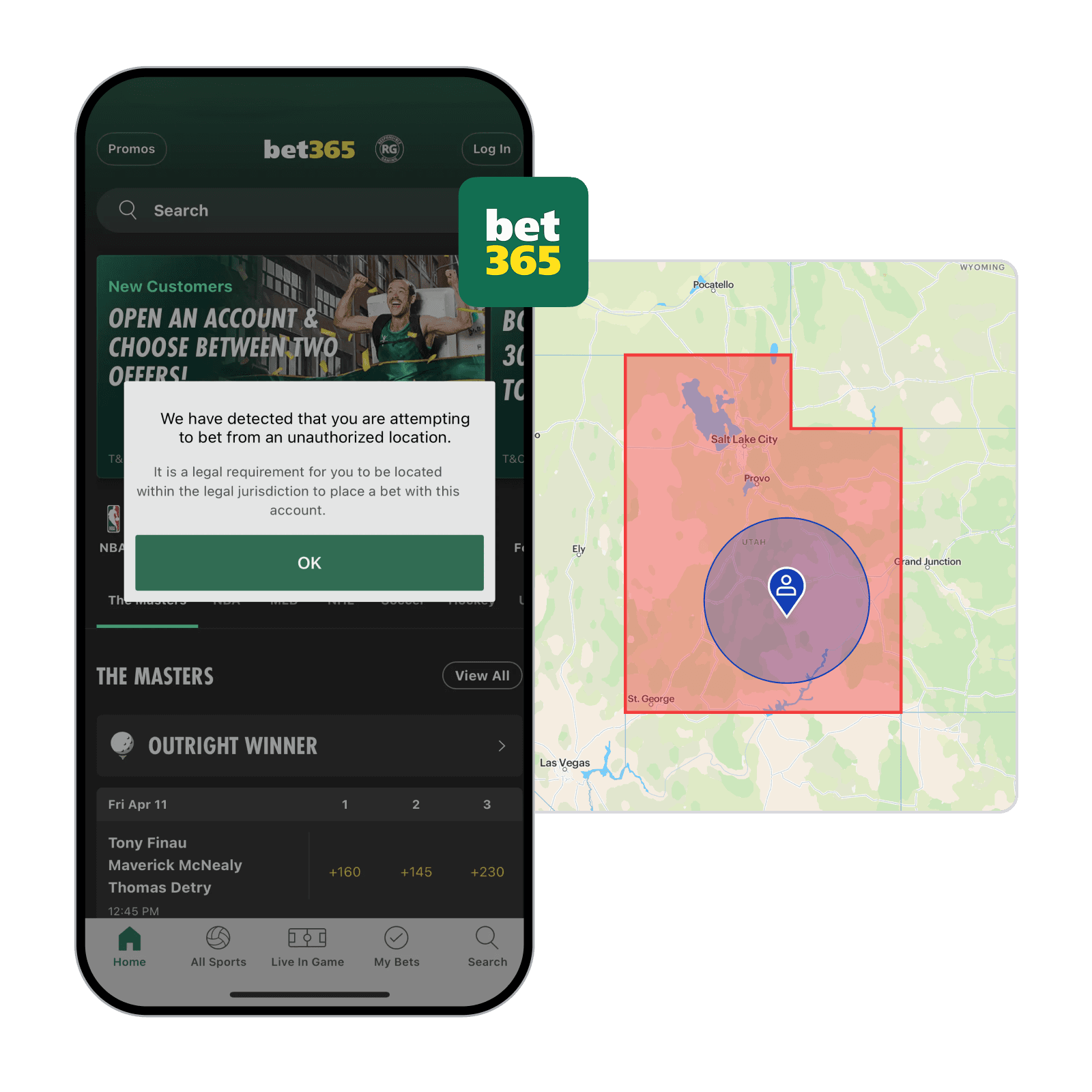
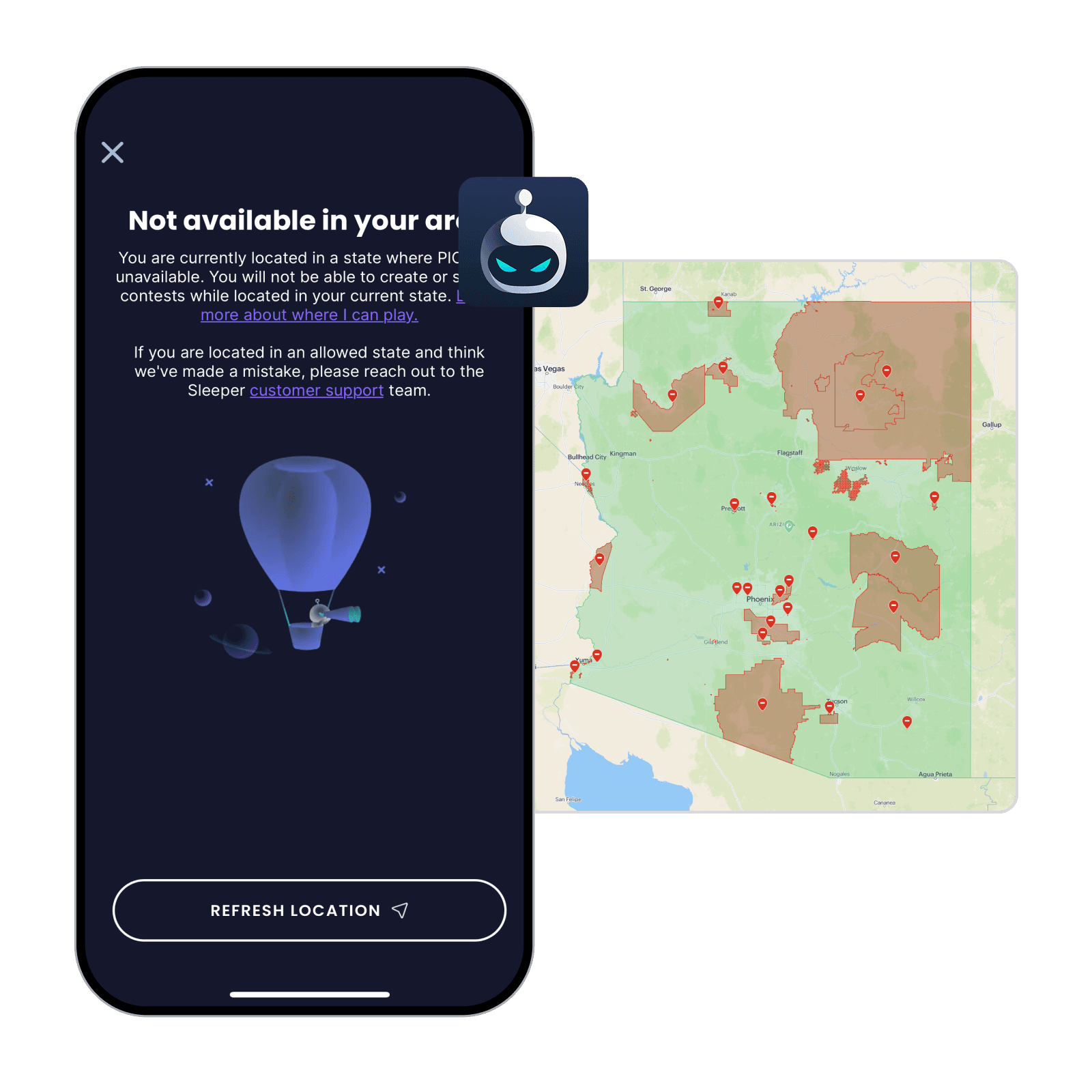
Configure country- and state-level allowlists and denylists, buffer zones, and exclusion zones for sportsbooks, iGaming, fantasy sports, sweepstakes, and prediction markets. Certified by independent test labs and fully licensed in every jurisdiction where you operate.
Advanced fraud detection, AI-native investigations
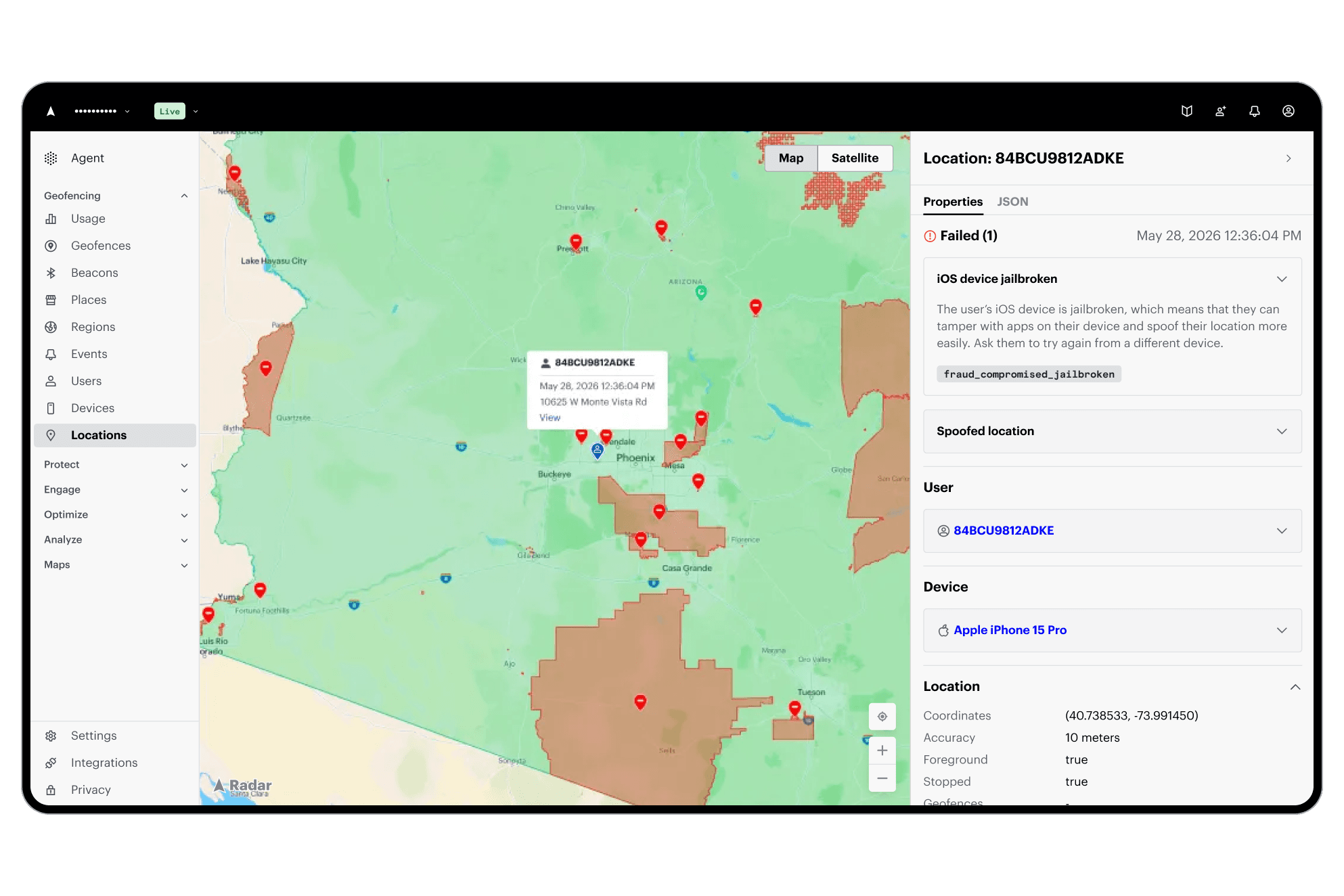
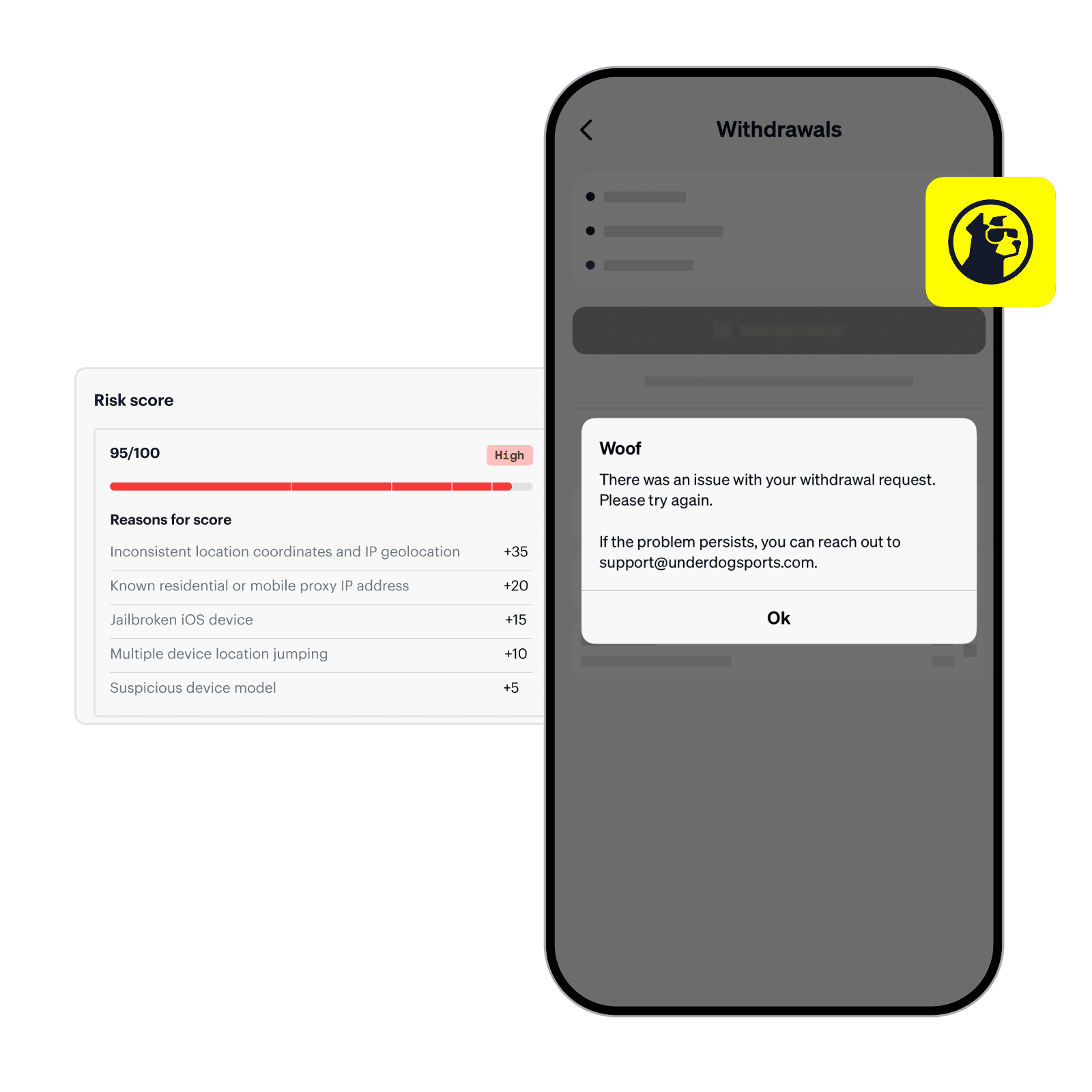
Detect promo abuse, account sharing, advanced spoofing, device farms and emulators, and much more with a configurable fraud rules engine and explainable ML-based risk scores. Investigate suspicious activity with AI-native reporting and investigations, case management, network explorer, and location history views.
Best-in-class accuracy, latency, and player experience
Verify location quickly and accurately, including near borders where small errors can cost you legitimate players. Keep verification in the background, minimize unnecessary failures, and give your team clear explanations when a check doesn’t pass.
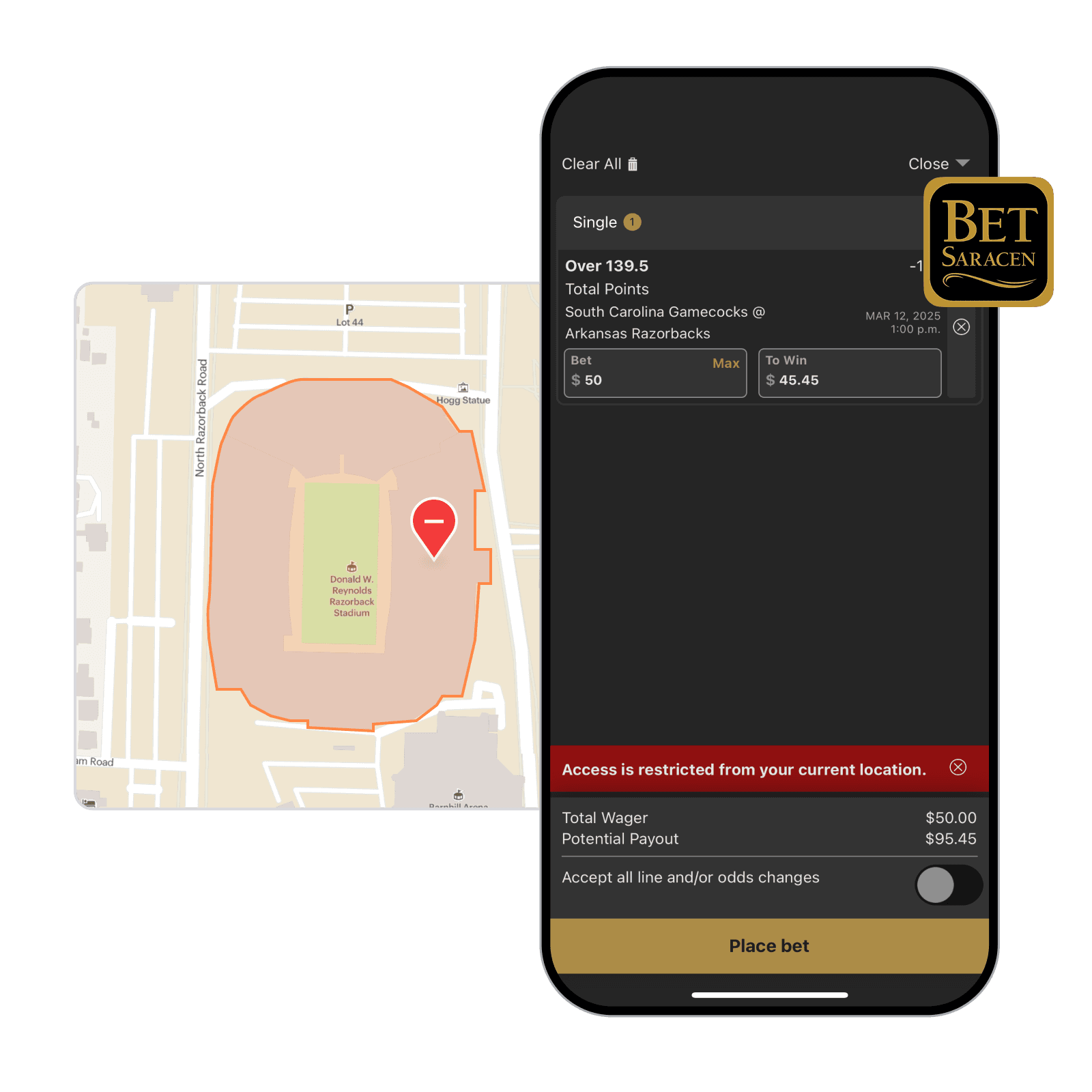
Geofence anything, not just countries and states
Enable precise polygon geofences around stadiums, college campuses, casinos, and other locations that require special treatment. Apply venue-level restrictions, block suspicious locations, or build location-aware on-property experiences with the full power of Radar’s Geofencing Platform.
Learn why forward-thinking operators are switching

“Radar gives us best-in-class performance and compliance at the best price. Partnering with them was a no-brainer.”
Senior Engineering Leader at bet365


“Moving off our existing solution was a smooth experience. We saved seven figures in the process and improved the overall performance of our geolocation.”

Sam Baker
SVP of Product

“Radar is an exceptional company to work with. What sets them apart is their relentless focus on solving the complex fraud challenges we face.”

Brad Craft
VP of Risk and Lottery Fulfillment Operations
Powered by the Location Intelligence Graph
From Black Friday to the Super Bowl, Radar powers the world’s biggest moments with location infrastructure and intelligence built for scale.
Our Location Intelligence Graph combines 100B+ precise location observations per year with machine learning to deliver higher accuracy, smarter risk scores, and insights others can’t match.
location observations per year
devices per year
API uptime
API calls per second at peak
Frequently asked questions
What are the geolocation requirements for online sports betting apps?

Operators must be able to show that each player is physically inside a permitted jurisdiction at the moment of a regulated action, such as placing a wager. That means checking where the player actually is, not just where their IP address resolves. Each state sets its own rules for when checks run, how often they repeat, and which areas are off limits, so requirements vary from state to state.
How does geolocation verification work for online sports betting?
A geolocation check confirms that a player is physically inside an approved jurisdiction before a regulated action, such as a wager, deposit, or withdrawal. The check uses device-level signals (GPS, Wi-Fi, and cellular), which are more precise than IP alone, and compares the player’s location against jurisdiction boundaries.
For online sports betting and iGaming, Radar comes with jurisdiction rules pre-configured. That includes the checks each state requires, re-check intervals based on a player’s distance to the border and how fast they’re moving, and boundaries for tribal lands and other exclusion zones. Your team isn’t building these rules from scratch, and you can still adjust settings where you want more control.
How do I detect VPNs and location spoofing in a regulated gambling app?
Detection works best when location, device, and network signals are analyzed together, rather than trusting any single signal. Spoofing shows up as a mismatch across signals, so checking more than one is what catches it.
Radar uses machine learning to analyze those patterns at scale, flags anomalies, and produces risk scores with the reasons behind them. Flagged checks can be denied or sent for review. Explainable results also give your compliance and support teams a clear reason when a check doesn’t pass.
How do I choose a geolocation compliance vendor for a new state launch?
Choose a vendor that can show it meets the new state’s geolocation rules, because the regulator decides what counts as compliant. Start with the state’s technical standard, then evaluate each vendor against it.
- Regulator acceptance: Confirm the vendor’s solution has been tested by an independent lab against the standard your state applies (such as GLI-33 for event wagering systems) and is accepted in your target state. Approval happens state by state, so verify current status before you sign.
- Pre-configured rules: Ask whether the vendor’s rules for your state come pre-configured (required checks, re-check intervals, tribal lands, and exclusion zones) or whether your team has to build them.
- Check triggers and frequency: Ask which signals the vendor uses and how they’re cross-checked. Precise device signals (GPS, Wi-Fi, and cellular) are harder to spoof than IP alone.
- Boundary accuracy: Ask how the vendor handles players near state lines. Polygon accuracy and buffer settings decide how many legitimate players near a border get blocked by mistake.
- Spoofing and VPN controls: Ask about blocking fake location apps, virtual machines, remote desktop tools, rooted or jailbroken devices, and known VPNs or proxies.
- Integration and operations: Ask about integration time, mobile and web support, logging and reporting for audits, and who handles rule changes when a state updates its requirements.
Radar’s geo-compliance engine comes with jurisdiction rules pre-configured, uses jurisdictional polygons (including tribal lands) and device-level signals (GPS, Wi-Fi, cellular, and IP), and is built to be developer-friendly, with flexible rules and reporting.
Does Radar support both gaming and prediction markets?
Yes. Radar supports sportsbooks, iGaming, fantasy sports, iLottery, lottery couriers, sweepstakes, and prediction markets. Compliance requirements vary by market, and Radar supports both preconfigured jurisdiction rules and custom geographic restrictions.
For sportsbooks and iGaming, Radar verifies that players are in an approved jurisdiction before regulated activities like wagering, deposits, or withdrawals, with state-specific rules preconfigured.
For fantasy sports, iLottery, and lottery couriers, Radar verifies player eligibility based on applicable jurisdiction requirements.
For sweepstakes and prediction markets, operators configure which jurisdictions to restrict based on their compliance requirements. Radar blocks users in restricted areas while using precise location verification to maximize pass rates for legitimate users everywhere else.
How is Radar different from GeoComply, and how do I switch?
Radar is a modern, developer-friendly alternative for geo-compliance, with jurisdiction rules ready out of the box, easy integration, flexible rules and reporting, and fair pricing, backed by a broader location platform. To learn more, see the Radar vs GeoComply comparison.
To switch, run Radar alongside your current provider. Compare pass rates, latency, fraud detection, and cost on your own traffic, then make the switch with hands-on support from Radar’s team.
See what better geo-compliance looks like in your product
Switching from a legacy provider? Run Radar alongside your existing provider. Compare pass rates, latency, fraud detection, and costs on your own traffic, then make the switch with hands-on support from our team.
Get better performance, lower costs, and more control over geo-compliance.